
Tenby
Our first look around Tenby, a very stylish town with lots of nice coloured houses. We drove down to the town and parked for the first time in a EV parking spot to charge the hybrid Peugeot. Felt very clever, opened the new charge cable plugged it all in and away we went.
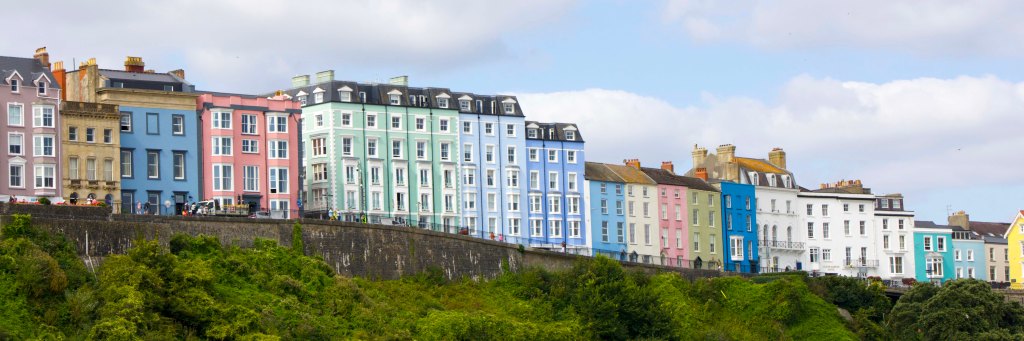
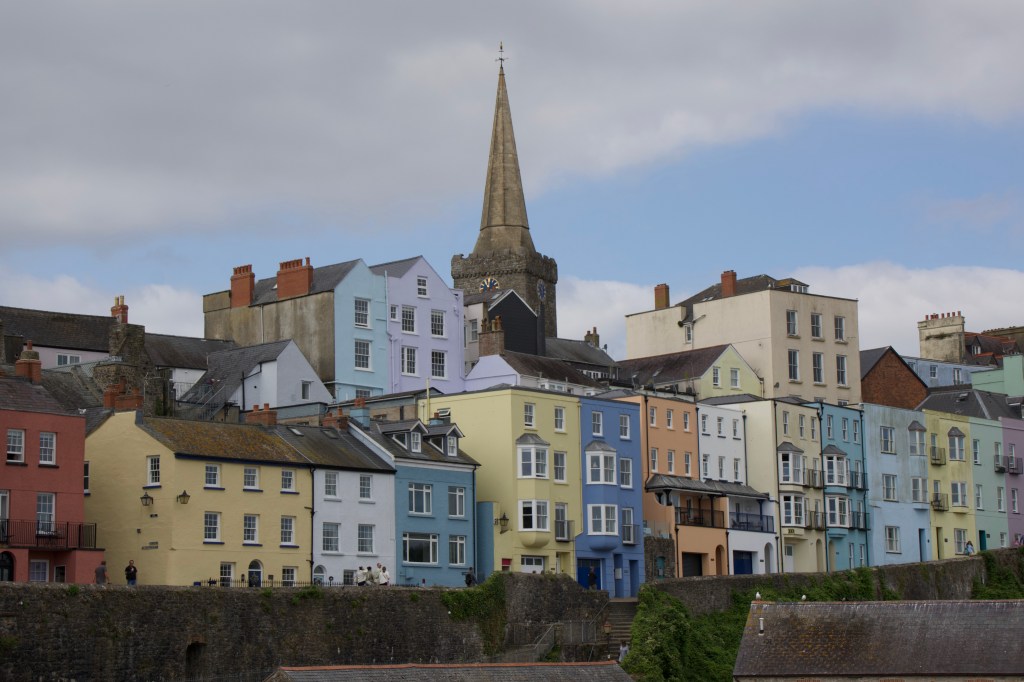
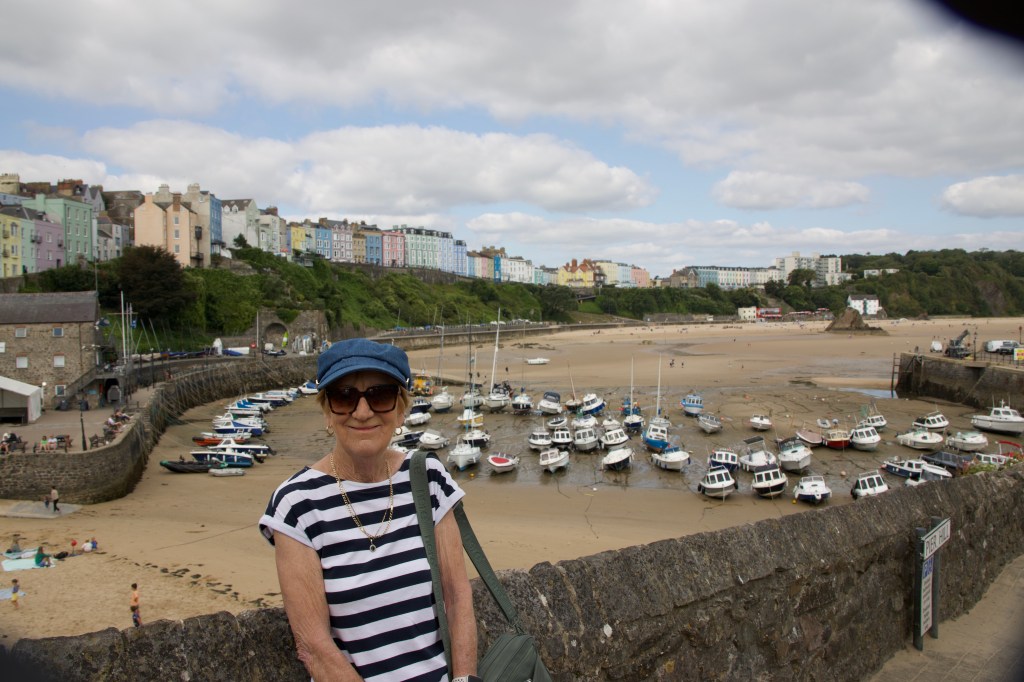
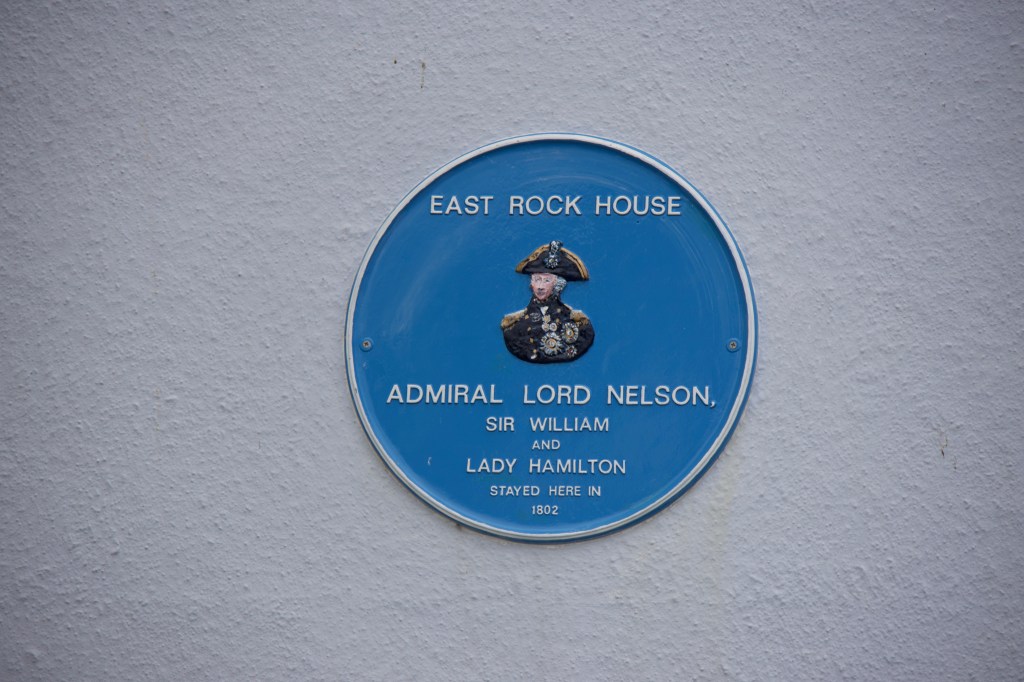
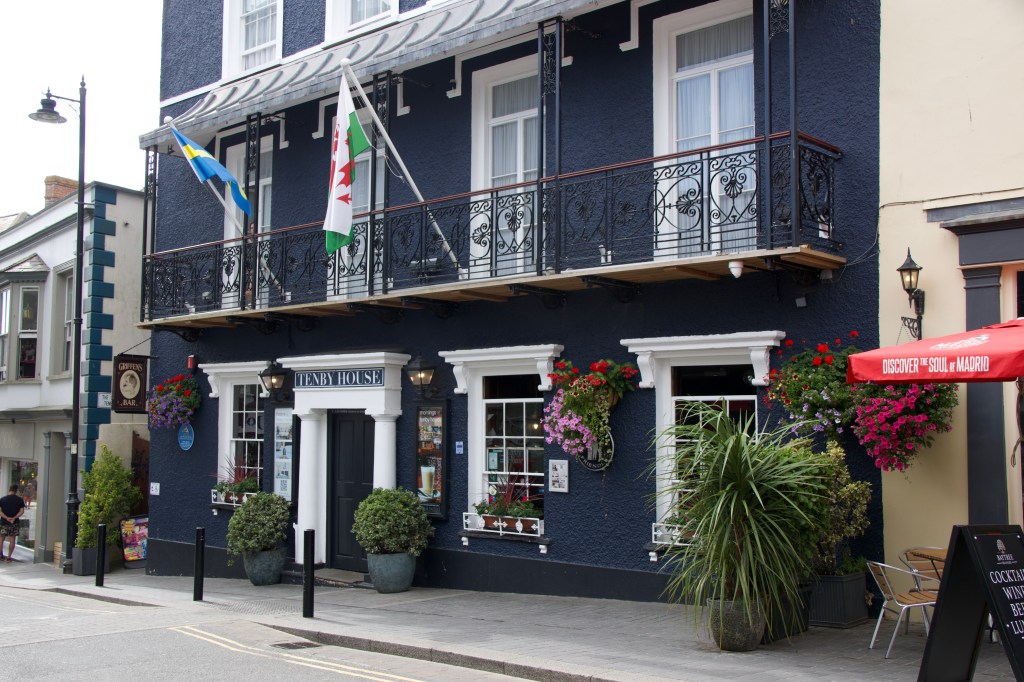

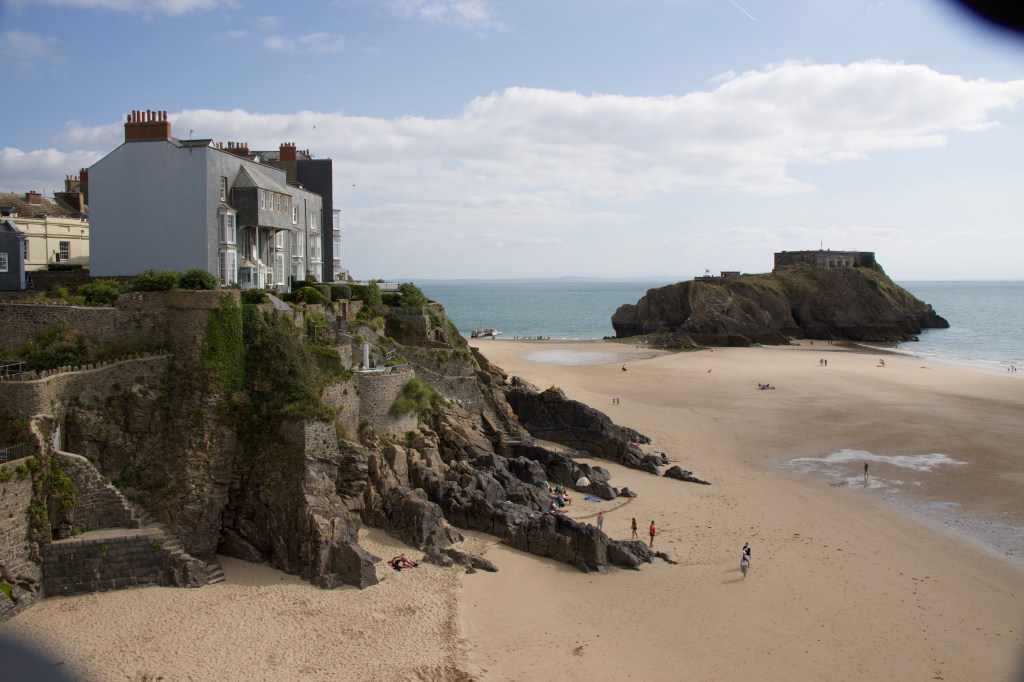
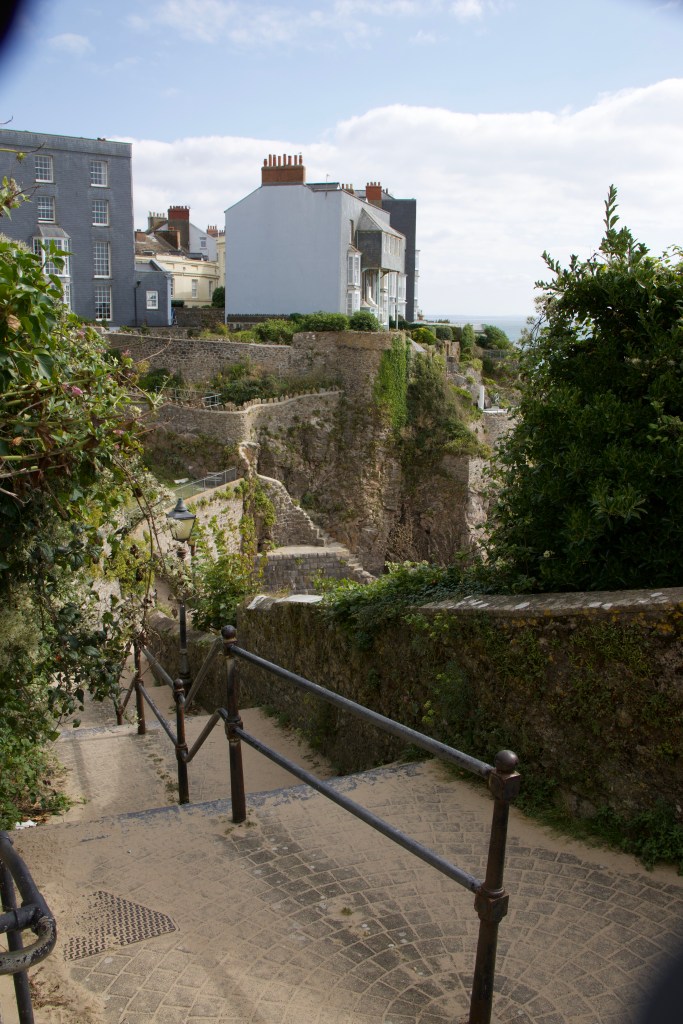
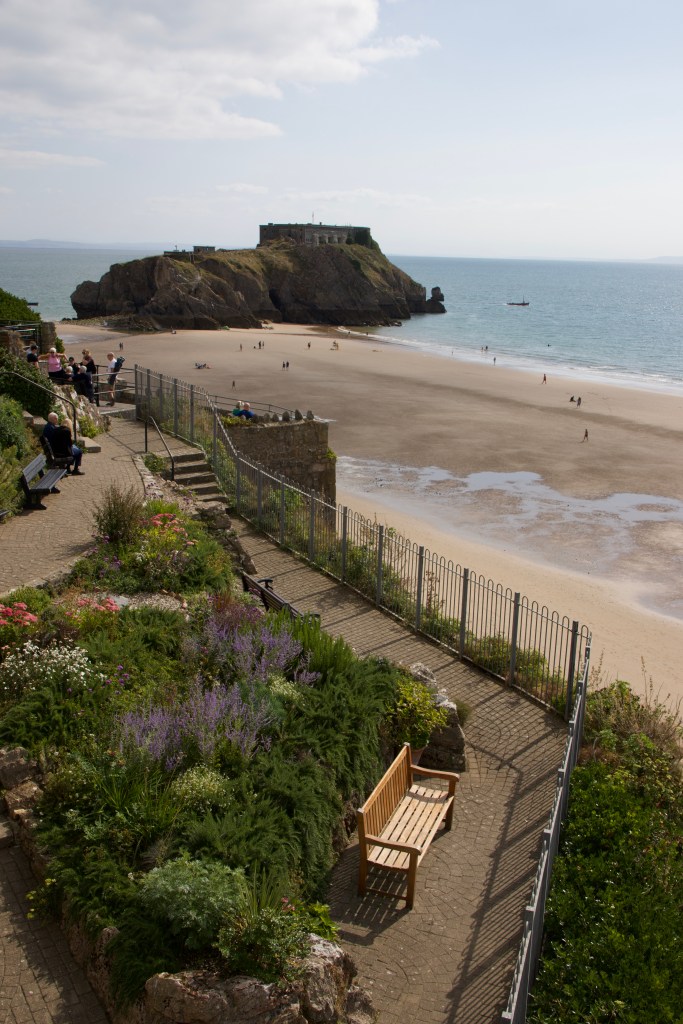
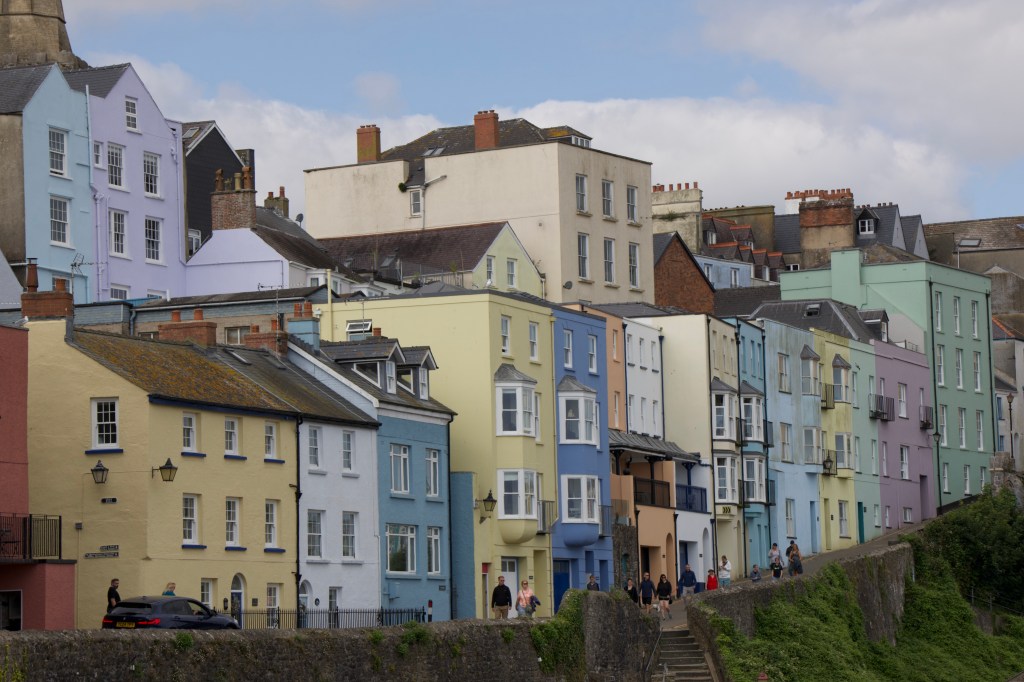
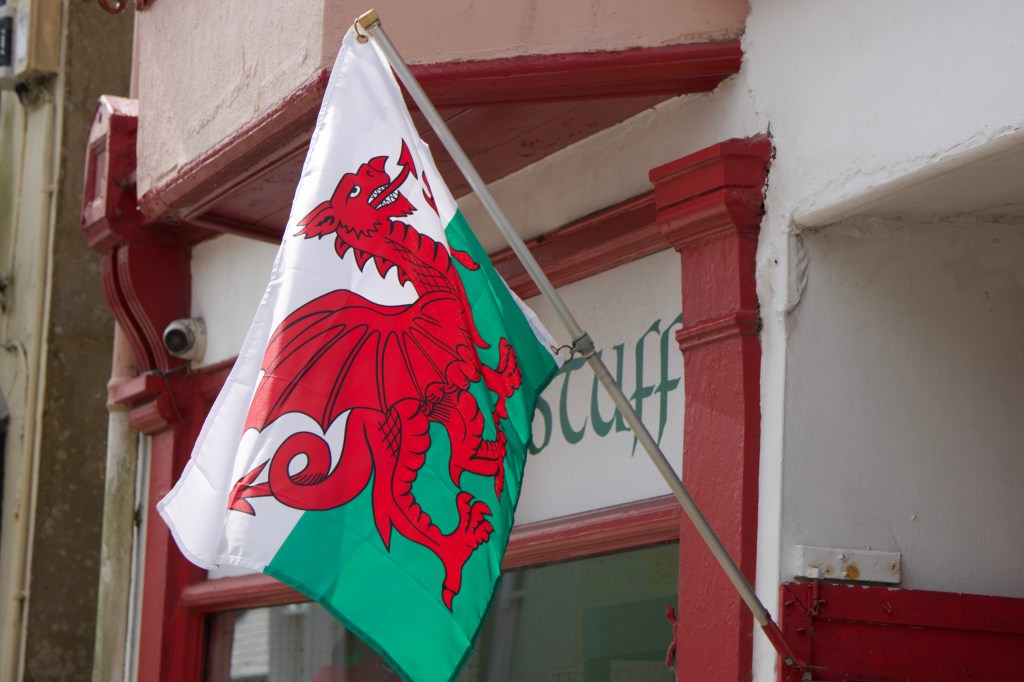
After a great walk around town we made our way back to the carpark to unplug the Peugeot and be off to the castle, and that’s when it all fell apart. Having not read the instructions carefully on the EV charger panel the problem began. Managed to disconnect at the car end thanks to sister Sue pointing out the button to press, but could we release the other end, no. Pull, pushed, wiggled and cursed but still no release. Than I read the instruction that said we had to download an app for the provider and to register within 15 minutes for the charge to continue, but said nothing about locking the plug. Spoke to the carpark attendant who said people had had problems extracting their cables, tried to download the app but no signal. Spoke to a lady with a new BMW she said that it was a nightmare as she had had problems at charging stations, see suggested different options, reconnect to the car, disconnect again, listen for the release click on the wall box.. After about 35 minutes we some how hit a right combination and it released from wall.. wahoo! The funny thing was that we had 50% charge so not sure how that happened without the app and without paying……..
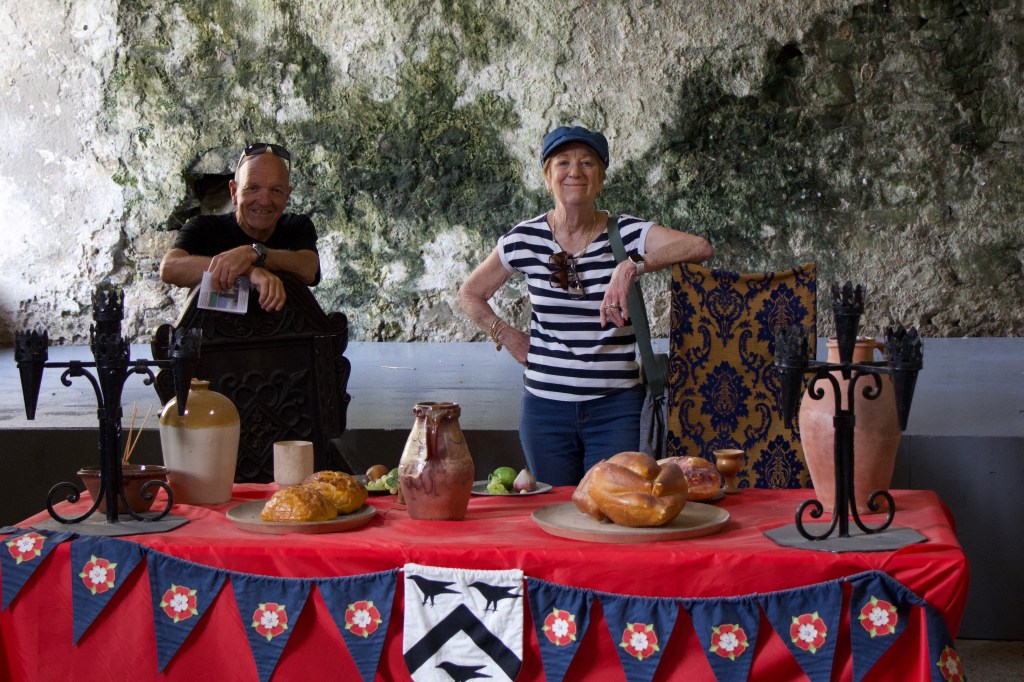
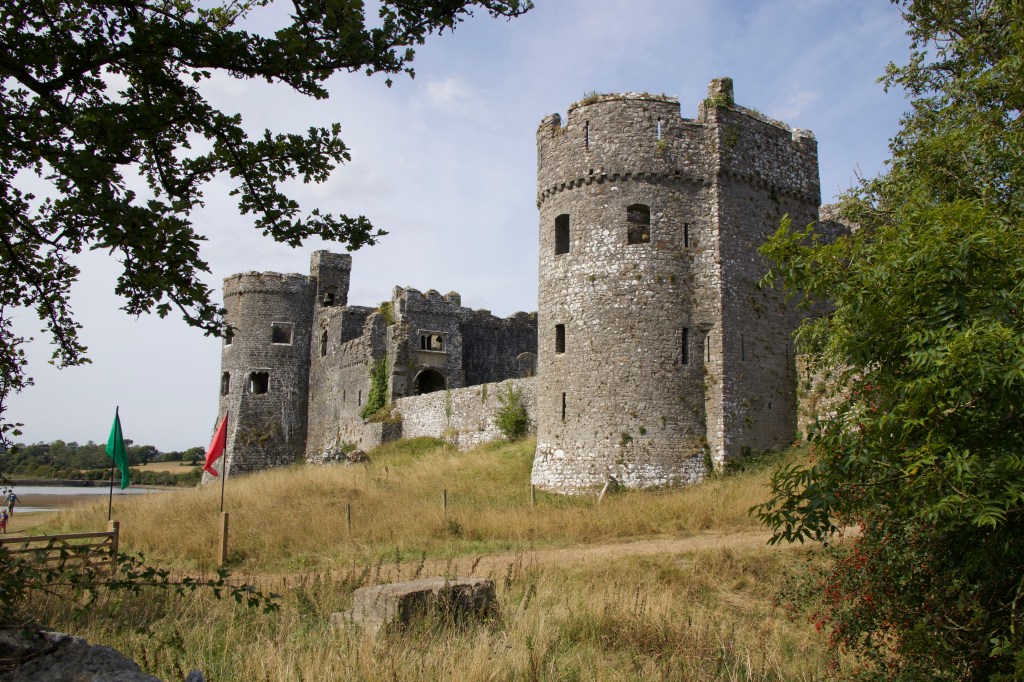
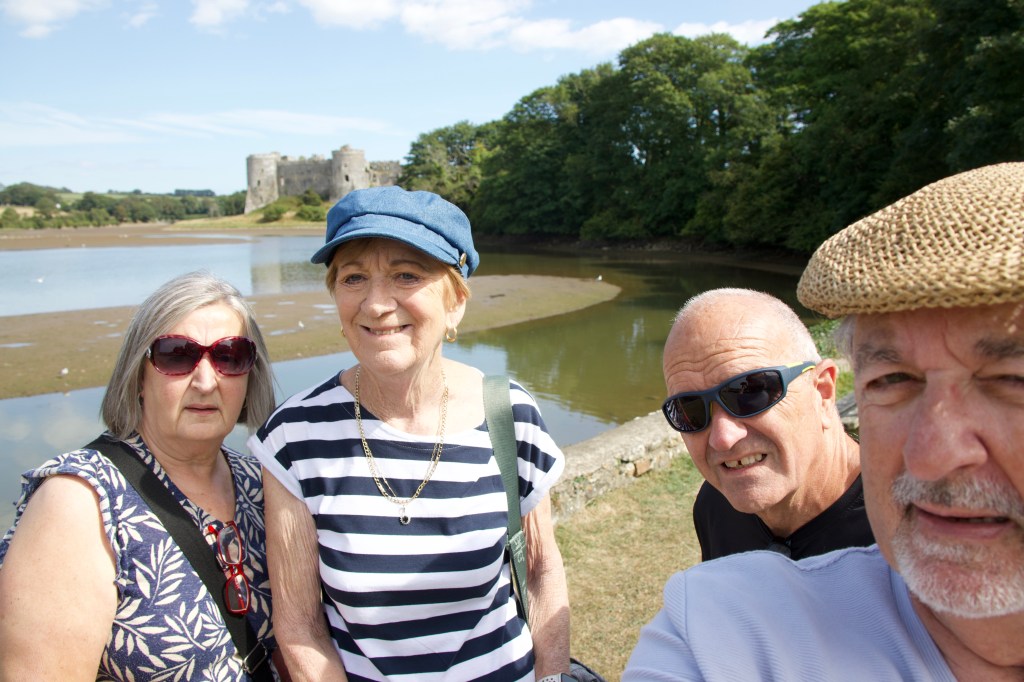
Carew Castle
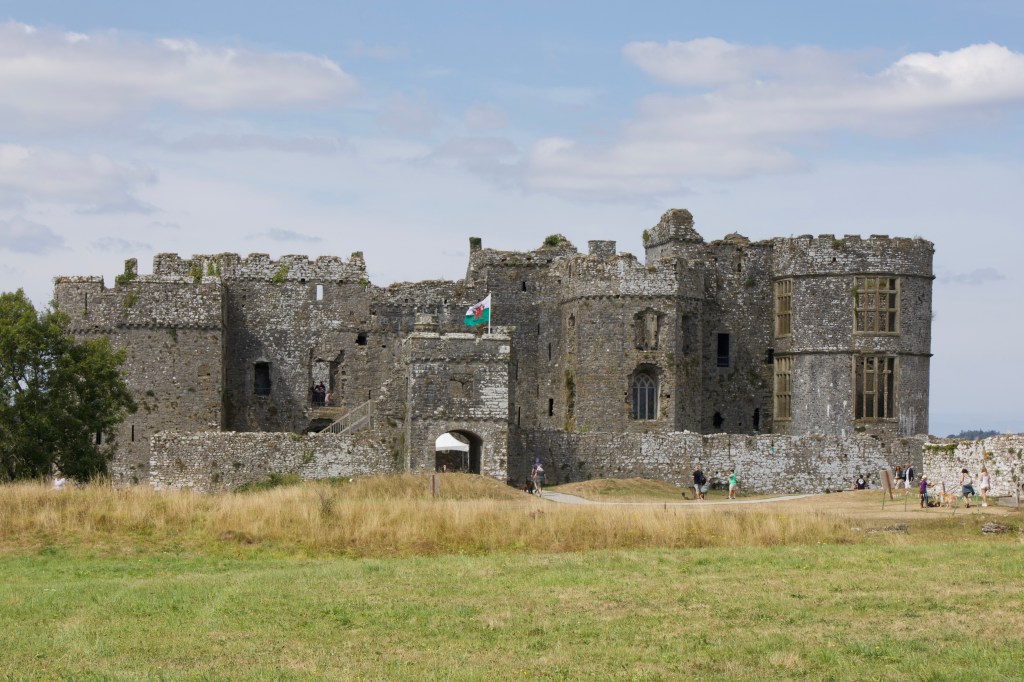
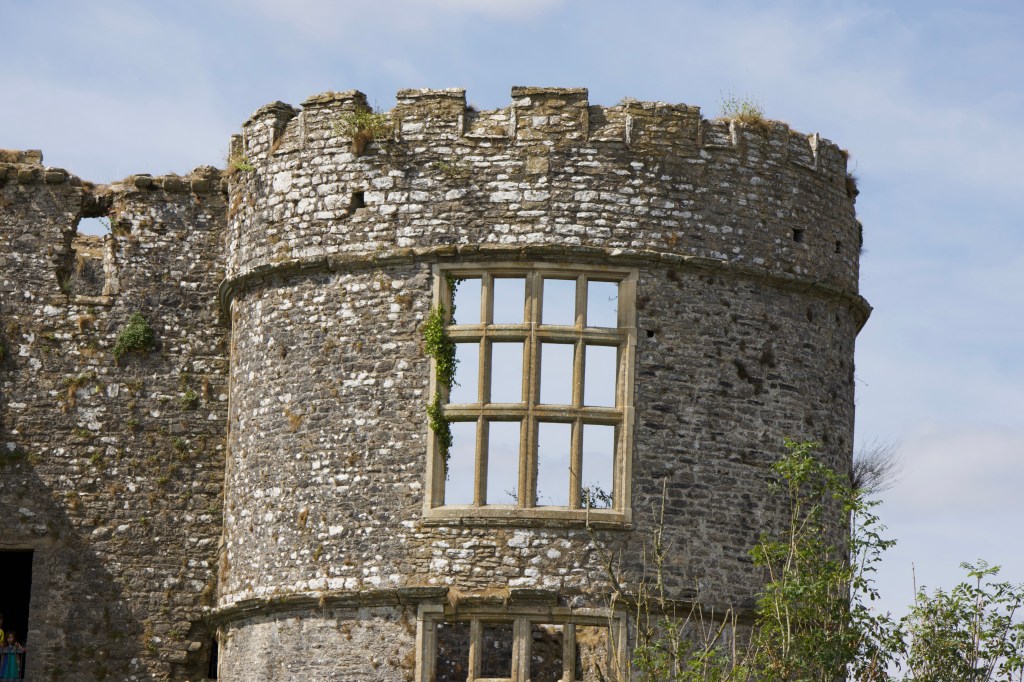
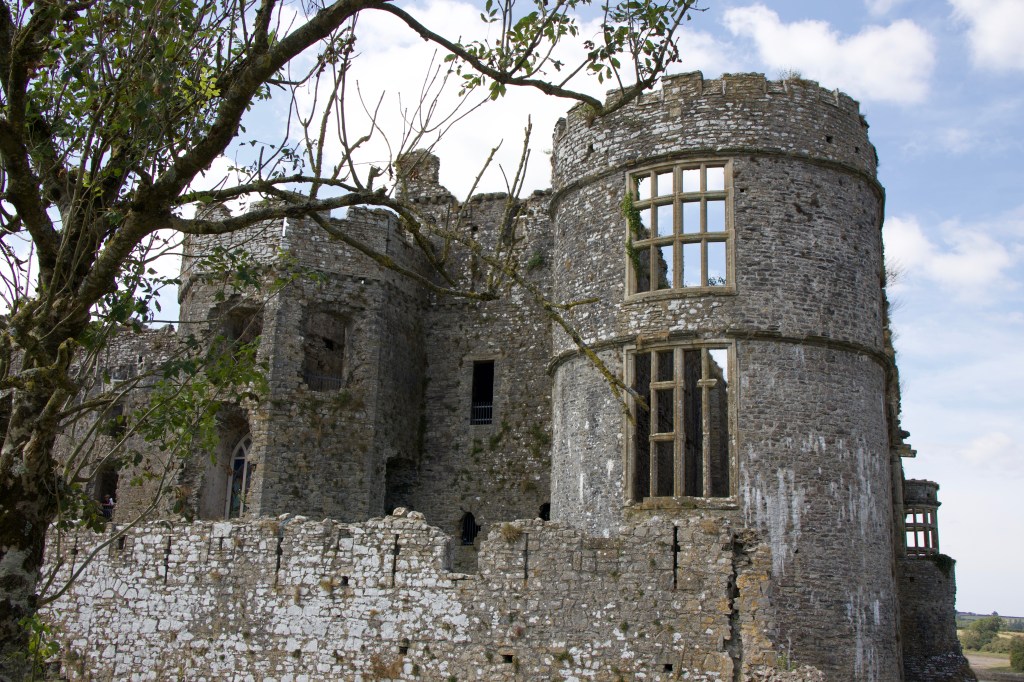
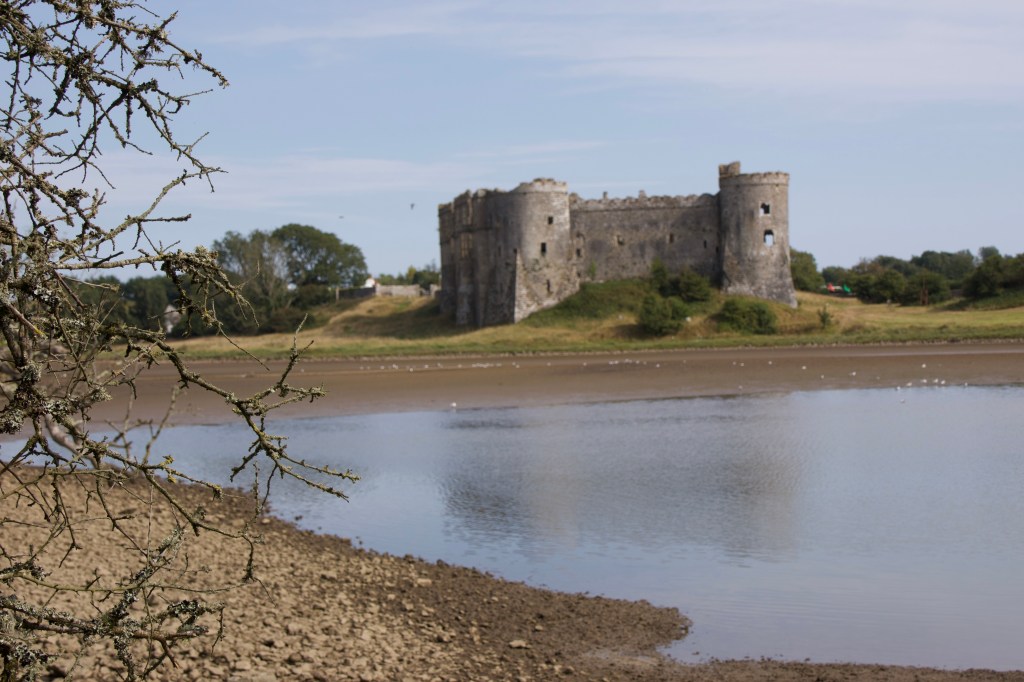
The use of the site for military purposes extends back at least 2000 years. The Norman castle has its origins in a stone keep built by Gerald de Windsor around the year 1100. The current high-walled structure with a complex of rooms and halls around the circumference was created in about 1270 by Nicholas de Carew (d.1297), concurrent with (and influenced by) the construction of the Edwardian castles in North Wales.
The de Carews fell on hard times in the post-Black Death period and mortgaged the castle. It fell into the hands of Rhys ap Thomas, who made his fortune by strategically changing sides and backing Henry VII just before the battle of Bosworth.
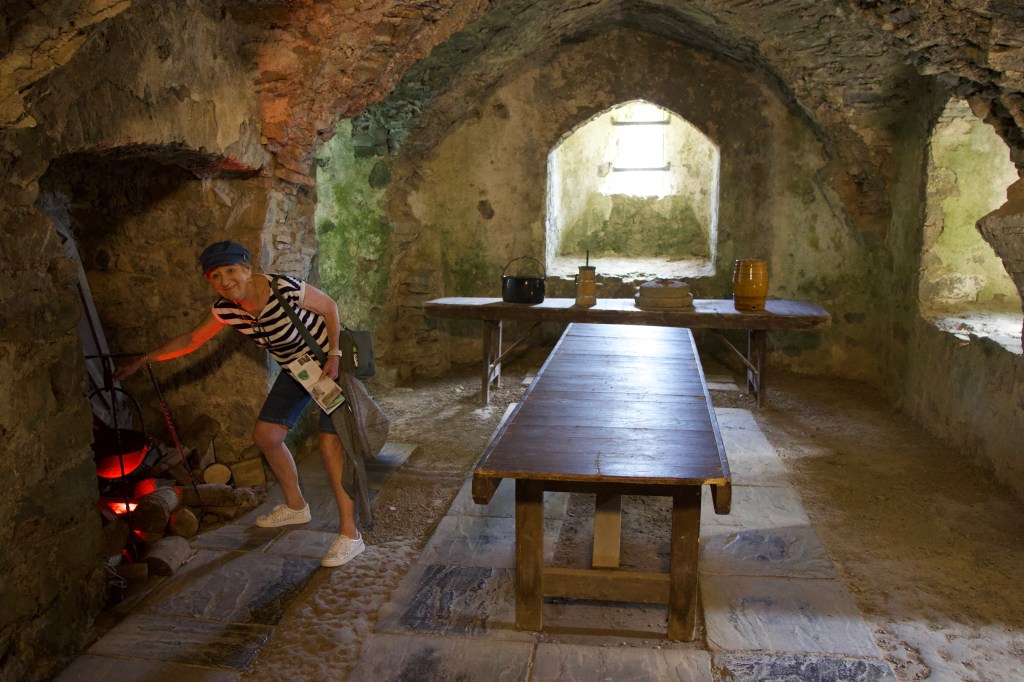
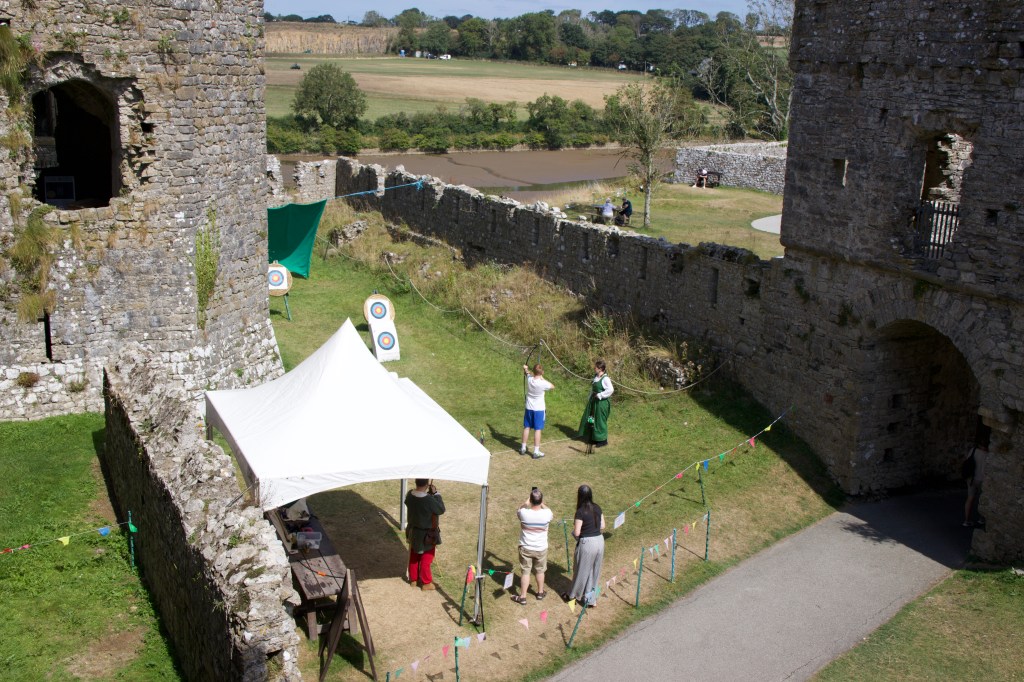
In 1558 it was acquired by Sir John Perrot, a Lord Deputy of Ireland, who completed the final substantial modifications of the castle. The Elizabethan plutocrat reconstructed the north walls to build a long range of domestic rooms. Perrot subsequently fell out of favour and died imprisoned in the Tower of London in 1592. The castle reverted to the crown and was finally re-purchased by the de Carew family in 1607. In the Civil War, the castle was refortified by Royalists although south Pembrokeshire was strongly Parliamentarian. After changing hands three times, the south wall was pulled down to render the castle indefensible to Royalists. At the Restoration the castle was returned to the de Carews, who continued to occupy the eastern wing until 1686. The castle was then abandoned and allowed to decay. Much of the structure was looted for building stone and for lime burning.

Carew Tidal Mill
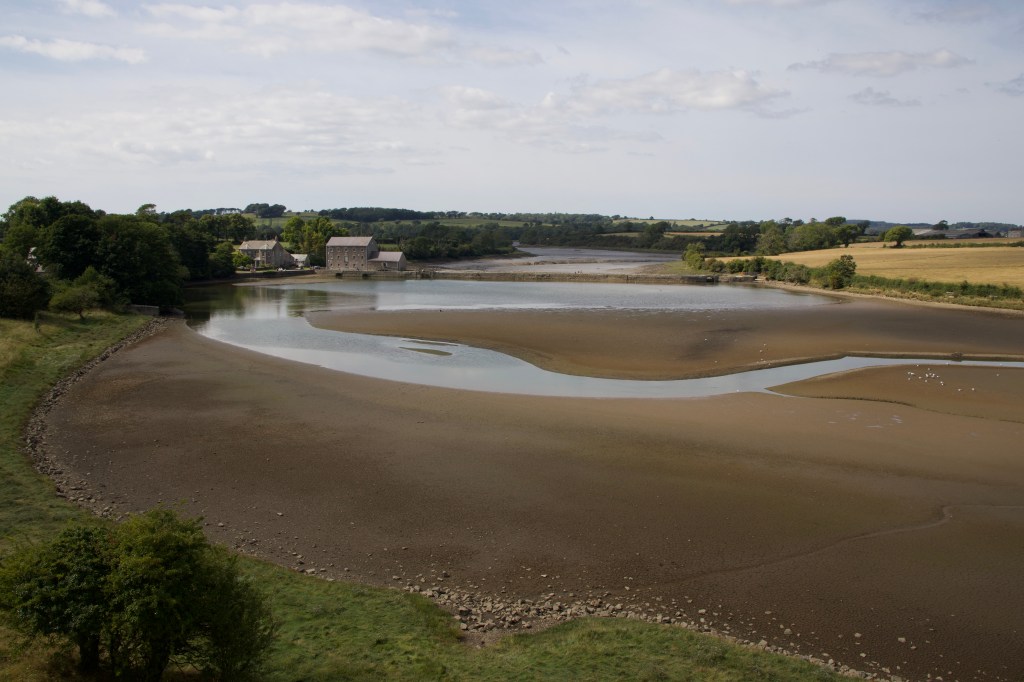
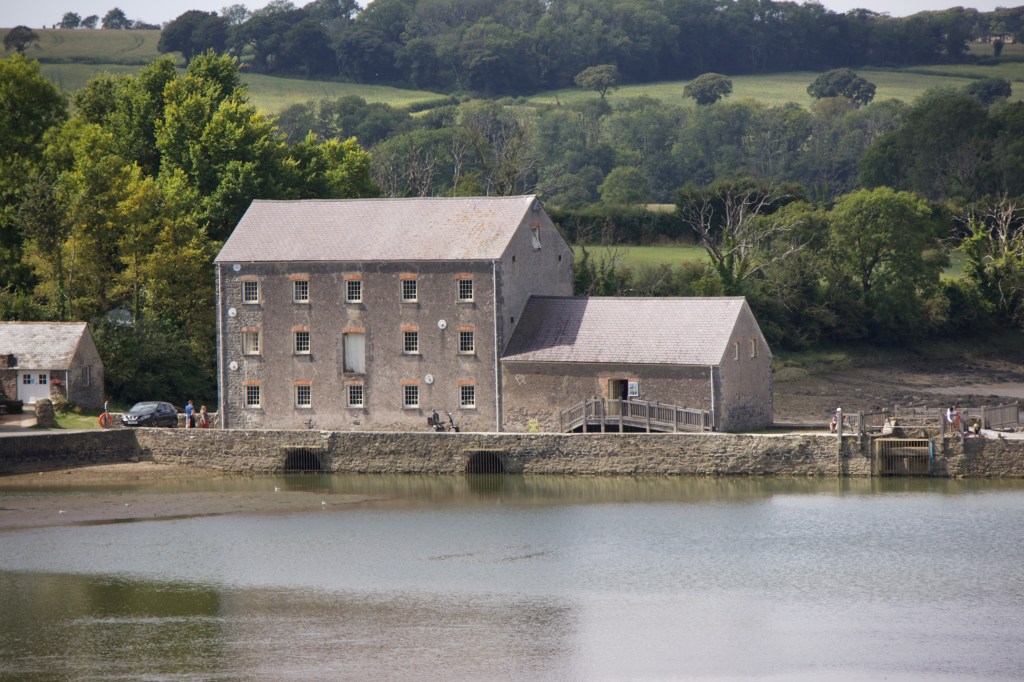
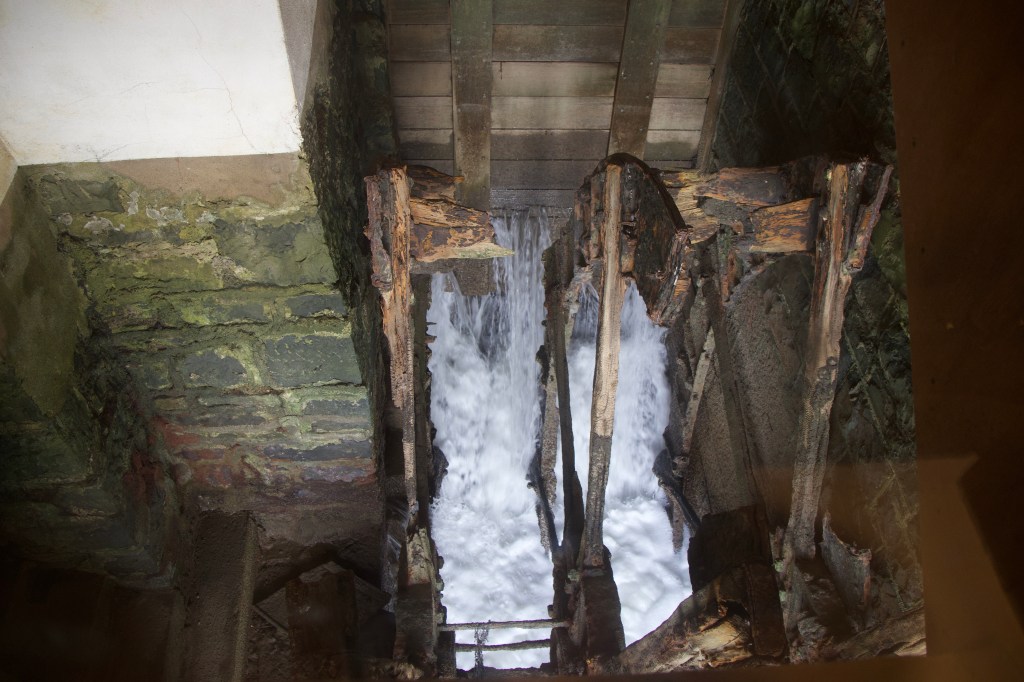
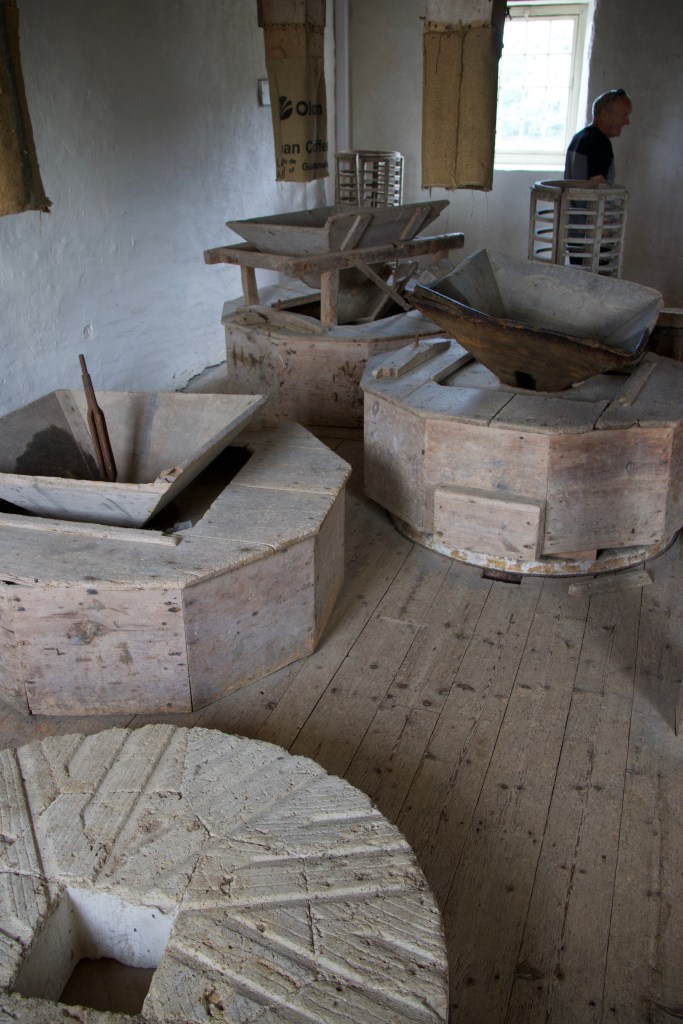
Carew Tidal Mill is the only restored tidal mill in Wales.[6] The origins of the mill are undocumented but evidence suggests that a mill was in existence on the site by 1542. It is often called the “French Mill” and this may have arisen from its use of French burrstone millstones. Causeway walls and floodgates were restored by Sir John Carew in about 1615. One of the mill wheels is dated 1801. Use of the mill ended in 1937 and the building became derelict.

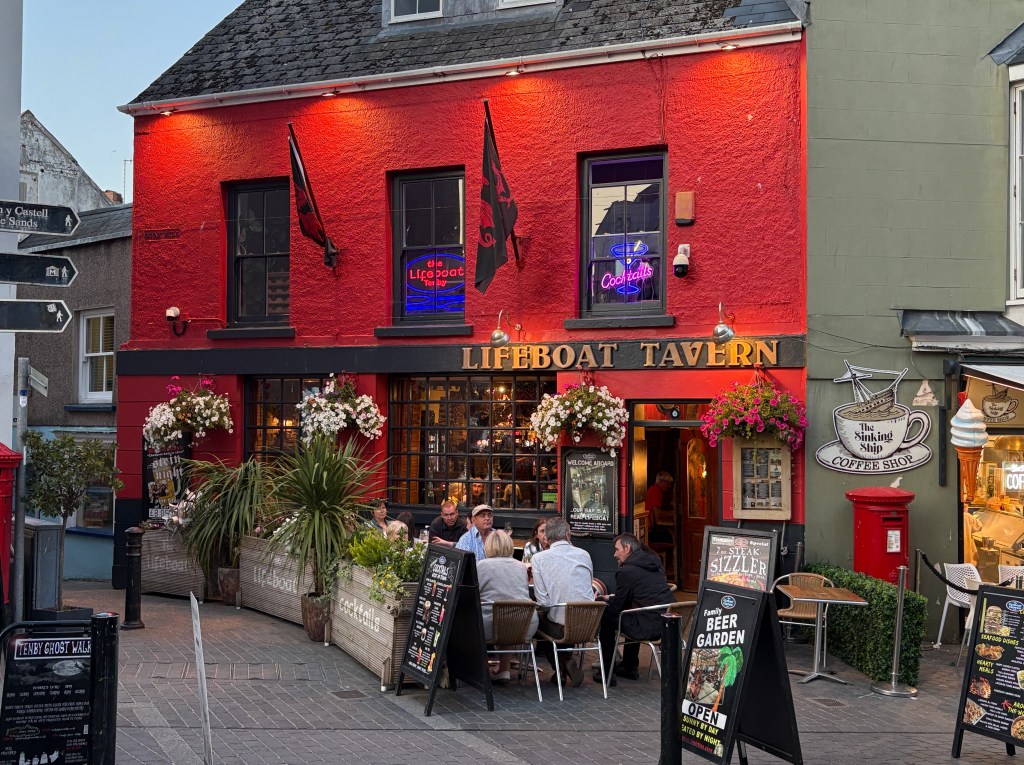
After a good day with glorious weather we went to the Life Boat Tavern for a well deserved dinner
 Galerie Shiraz
Leave a comment